


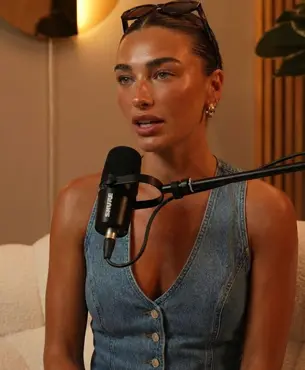
Imagine an influencer who’s never late for a shoot, speaks eight languages at once, never gets caught up in scandals — and delivers a 20x ROI for the brand. He doesn’t physically exist. But his results are entirely real. Virtual influencers are one of the fastest-growing segments of marketing. Instead of theory, we’ve put together six cases where digital characters are already working for brands.

Six cases worth knowing

Hyundai × Kenza Layli: eight languages, one influencer
To launch the Hyundai Kona in Morocco, the agency Pixel.ai created the virtual influencer Kenza Layli. The key innovation: Kenza worked not only as the face of the campaign on YouTube and social media, but also as an interactive chatbot, advising potential buyers in eight languages simultaneously.
Result: 20x ROI. 2,000+ simultaneous chat conversations. The most successful influencer product launch in the brand’s history.
H&M × Kuki: when an AI influencer is more memorable than an ad
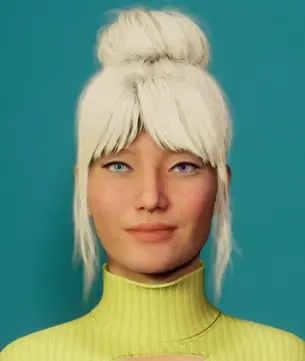
H&M brought in the virtual influencer Kuki to promote its Innovation Metaverse Design Story collection in the US. The mix combined video plus AI-influencer content vs. standard video advertising.
Result: 11x ad recall compared to campaigns using traditional video alone.

Lil Miquela × Prada, Calvin Klein, NMDP: the world’s most famous “robot”
Created in 2016, Lil Miquela is the benchmark for virtual influencing. 2.6 million followers, over 90 brand collaborations in a year. The Prada campaign drove significantly higher engagement compared to the brand’s regular posts. In 2025, Miquela launched a campaign with the National Marrow Donor Program — telling a first-person story about a leukemia diagnosis. A virtual character — and a real social impact.

Mia Zelu × Wimbledon 2025: 165,000 followers for something that never happened
The AI influencer posted photos “from the front row” at Wimbledon. One post — 50,000 likes. Celebrities commented. Cricketer Rishabh Pant liked it — then deleted his like once he learned the truth. Because Mia was never at Wimbledon. She doesn’t exist at all. When this came to light, the scandal only boosted her reach further.
Result: 165,000 followers gained within a few days. A textbook example of event-jacking — and a case study in the transparency debate.
Aitana López: $10,000/month and a date no one can actually go on
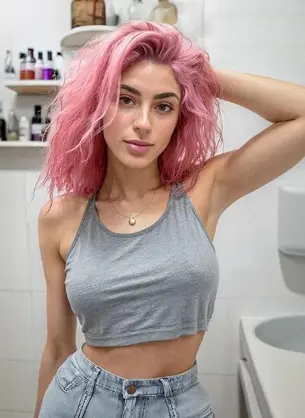
Rubén Cruz from Barcelona created the pink-haired AI model because he’d grown tired of working with real-life influencers. A team of 10 people plans her content every week. On one occasion, a well-known actor DM’d Aitana — not realizing she doesn’t exist. In late 2025, WooHoo (Dubai) brought Aitana on for a New Year’s campaign: 105,000+ views and 1,300+ interactions across three posts.

O2 × Daisy: the AI grandma who trolls scammers
British telecom operator O2 created an AI “grandma” named Daisy, who answers calls from phone scammers and wastes their time. The campaign won multiple awards and became a benchmark example of a branded virtual influencer — a case where a digital character solves a concrete business problem.
Five opportunities for your brand
1. Brand-page ambassador
A virtual character runs your social media every single day — reviews, unboxings, tips, lifestyle content. No dependency on the schedules, moods, or fees of live creators.
2. A face that sells
An AI influencer simultaneously publishes content and advises customers as a chatbot — answering questions, recommending products, guiding them toward a purchase. In any language, 24/7.
3. Talent for promo
Videos, banners, stories, product content — no studio, no travel, no limitations. One character, unlimited shoots in any look and any location.
4. Real-time marketing
Your AI ambassador reacts instantly to trends, creating content in real time — while competitors are still finalizing a brief with a live influencer.
5. A character built for a specific business need
Not just content — an AI influencer can educate, protect, support. Onboarding new customers, an FAQ bot with personality — any function, wrapped in a character.
⚠ What’s important to understand at the start
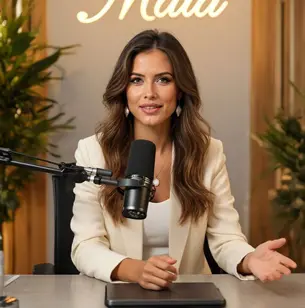
Like any new tool, AI influencers work best when a brand approaches them strategically. Audiences value transparency — so an honest “this is our digital ambassador” stance is always better than trying to pass off an AI as a real person. Creating a quality character is the job of a production team of designers, scriptwriters, and strategists — it’s a full-fledged creative product, not just a prompt. Brands that understand this get the best results.
What this means for your brands
Most of the cases you just read about are brands that were the first to try this. Hyundai didn’t wait for the entire auto industry to switch to AI influencers. H&M didn’t wait for market consensus. They tested it — and got results that traditional formats couldn’t deliver. The Ukrainian market is still in the early-observation stage. This is a window of opportunity for those ready to become a first mover.
IAB forecasts that by the end of 2026, roughly 40% of online advertising will include elements of generative AI. The future is hybrid. Want to discuss how this could work for your brand? We’re ready.