


What’s happening?
Instagram (Meta) continues to actively update its algorithmic systems. In March–April 2026, the platform made a series of key changes that directly affect post reach, the effectiveness of paid partnerships with influencers, and approaches to content creation. In this digest — the most important things you need to know.
What has changed in the algorithms
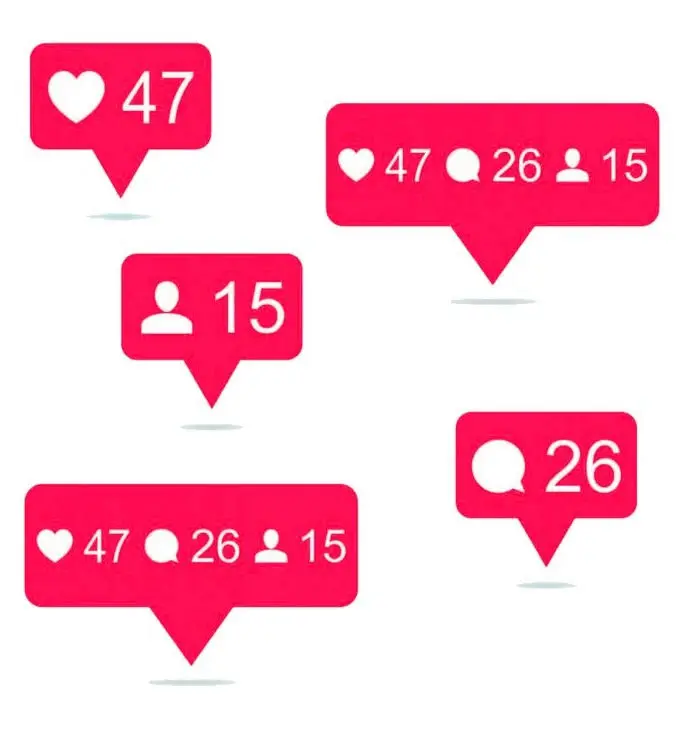
1. Prioritizing “shareability” > “likes”
Instagram has shifted its focus even further away from likes toward:
- shares
- saves
- time spent engaging with content
The algorithm now evaluates: “would people want to show this to others?” rather than simply “did they like it?”
2. Reels = the primary distribution format (but filtered for quality)
Reels still deliver the most reach. However, the algorithm now filters out “weak content” (repetitive posts, templates, low retention) more strictly.
Important: not all Reels “take off” anymore — only those that hold attention within the first 2–5 seconds.

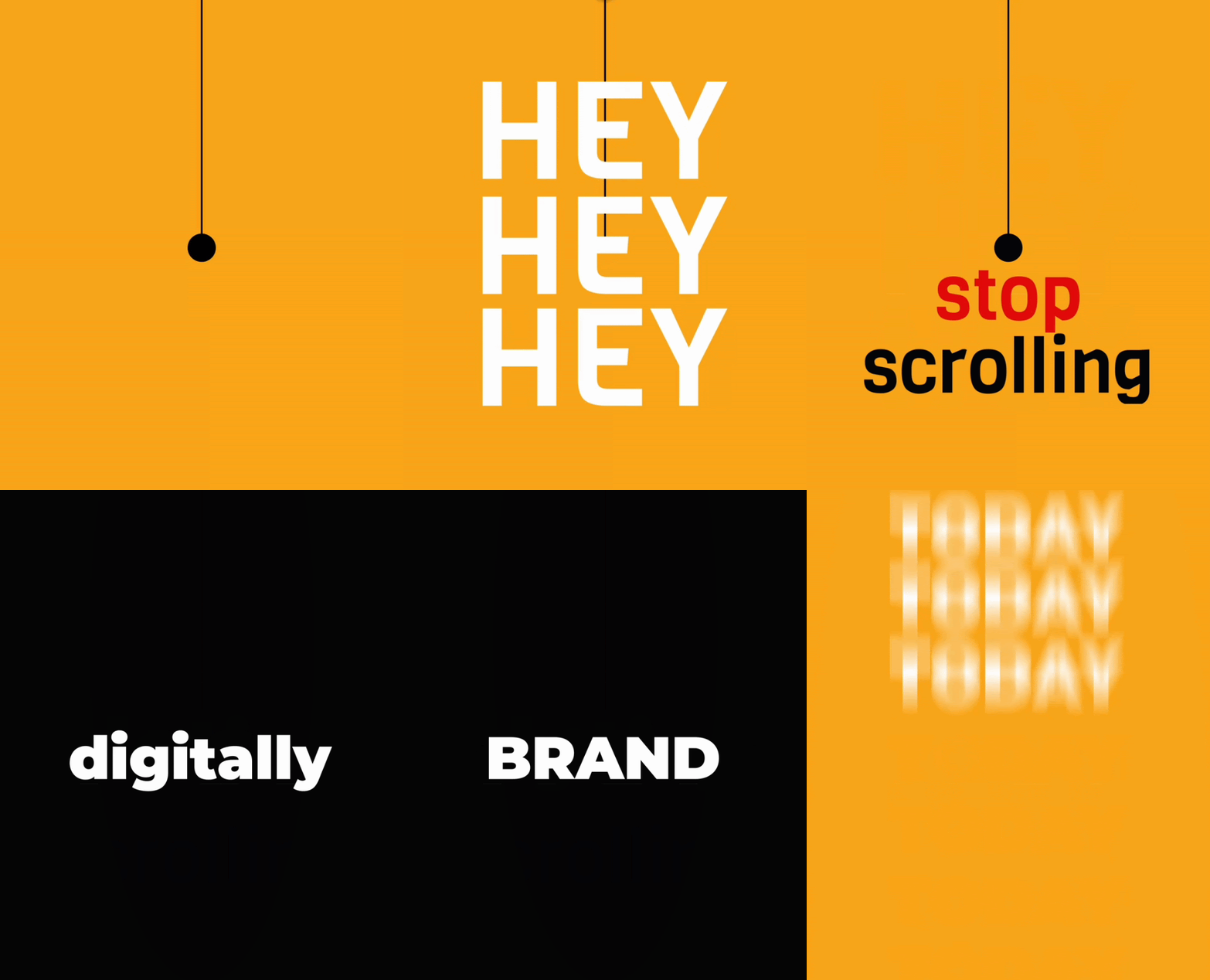
3. The first frame and hook have become critical
Instagram has explicitly highlighted that the first seconds of a video determine whether the content gets pushed into recommendations.
If a user isn’t “hooked” right away, the algorithm cuts off distribution in the recommendations feed.
4. Reduced weight for “overtly promotional” content
Content that comes across as:
- obvious advertising
- a direct sales pitch
- a “scripted integration video”
now receives less and less organic reach.
5. Priority for “native storytelling”
The algorithm now ranks more favorably:
- content that looks like a natural part of a creator’s life
- integrations without an overtly “salesy tone”

What this means for influencer campaigns:
- Simple “product integration” no longer works
- The classic format — “here’s the product → here are the benefits → buy now” — will see reach drop off
- The creator is a co-producer, not just a placement slot for ads
- The updated algorithm effectively pushes brands to give creators more creative freedom instead of forcing them into a rigid format
- It’s precisely the creator’s own organic style that gets through the algorithmic filter
How to adapt campaigns (practical recommendations)
Build the script around the hook, not the product
NO: “let’s integrate the product into the video”
YES: “let’s create a video people actually want to watch → then integrate the product”
A strong hook = 50% of a reel’s success
Build a “share trigger” into the creative
The content should evoke reactions like:
- “I’m sending this to my friend”
- “this is so me”
- “I’m saving this”
Less control — more native
Recommendation:
- minimize rigid briefs
- avoid rewriting the creator’s own text
- ! Better to provide a framework + key messages instead

A mix of formats: Reels + Stories + UGC logic
- Reels → reach
- Stories → follow-up and conversion
- UGC-style → trust
Focus on retention
Essential elements:
- dynamic editing pace
- frequent shot/frame changes
- intrigue right from the start

Key takeaway
In 2026, Instagram’s algorithms are effectively “filtering out” standard advertising content that isn’t interesting in its own right.
Campaigns win when:
content = entertainment / value
the brand = an organic part of the story
the creator = an author, not just someone executing a brief